
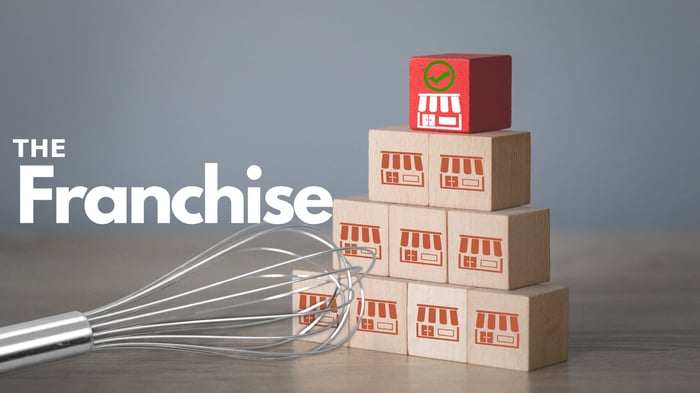
Exploring the Bakery & Hospitality Franchise Market
The bakery hospitality franchise market is a dynamic and exciting sector, offering a blend of tradition and innovation. For those interested in owning or operating multiple bakery sites, there are numerous opportunities to ensure consistency and quality across all locations. This is especially important in the hospitality and hotel sectors, where expectations for high-quality baked goods are paramount.
The Role of Ready-Made Mixes
In the franchise market, ready-made mixes have become increasingly popular. These mixes provide franchise owners and operators with the consistency and control needed to maintain a high standard across multiple locations. BFP, a leading provider in the UK, specialises in producing large quantities of these mixes, designed specifically for multi-site operators. The process involves creating the mixes at a central plant, where they are then bagged, palletised, and shipped across the UK. This method ensures that each site can produce the same quality products, regardless of location.
For those whose budget may not allow for a bespoke mixing service, ready-made mixes and toppings from leading manufacturers, such as Macphie, Dawn Foods and Puratos to name a few offer a viable alternative. These products ensure that your bakery brand delivers consistent quality, helping to build trust and loyalty among your customers.
Perfect Pastries Every Time
Pastries are a staple in any bakery, and achieving the perfect pastry can be challenging. That's where Bridor comes in. Known for their consistency and ease of bake, Bridor’s products are well-loved by small bakers, coffee shops, boutique cafés, and hospitality businesses alike. Their offerings provide a reliable way to create delectable pastries that meet the high standards expected by discerning customers.
 The Souplesse rangeof coatings from Dawn Foods truly complement Bridor ready to bake products.
Training Your Franchise Staff
A crucial aspect of running a successful bakery franchise is ensuring your staff is well-trained. By working with some of the best manufacturers in the bakery market, franchise owners can benefit from the expertise of specialists who can guide them in using products effectively. These specialists provide tips, tricks, and baking trials with a technical baker, all at no cost to the franchisee. This training opportunity is invaluable for gathering your franchise staff and partners to introduce them to the products and teach them how to use them in the most profitable, trendy, and straightforward way.
For more information about training your franchise staff, you can speak to one of our Business Development Managers or call our office at 01924 223710 to connect with your local regional office.
Conclusion to part one:
The bakery hospitality franchise market offers exciting opportunities for growth and success. By leveraging ready-made mixes and products from leading manufacturers, franchise owners can ensure consistency and quality across their location. Additionally, investing in staff training ensures that your team is equipped to deliver exceptional baked goods every time. With these tools and resources, your bakery franchise / hospitality sector is poised for success.
Part two: More on Franchasis - The business Model.
Franchising can be an effective way to grow a bakery business, but it's also a major shift from operating stores yourself. You're no longer just selling baked goods—you'll be selling a business system that other people pay to replicate.
Here are the main areas to think through.
1. Is your business actually franchise-ready?
A bakery is more likely to succeed as a franchise if it has:
- Consistent profitability across at least one or two locations.
- Strong brand recognition in its market.
- Recipes and processes that can be replicated.
- Reliable suppliers.
- Operations that don't depend heavily on you personally.
Ask yourself:
- Could someone with good business skills (but not your baking experience) run this successfully after training?
- Can every product be made to the same standard in different locations?
2. Standardise everything
Successful franchises rely on systems rather than individual talent.
You'll need documented procedures for:
- Baking and food preparation
- Customer service
- Store opening and closing
- Staff recruitment and training
- Inventory management
- Food safety and hygiene
- Marketing
- Equipment maintenance
Many franchisors create detailed operations manuals and training programs before selling a single franchise.
3. Protect your intellectual property
Consider protecting:
- Your brand name and logo through trademarks.
- Proprietary recipes (where practical, often as trade secrets rather than patents).
- Packaging and branding.
- Website and digital assets.
Your franchise agreement should clearly define how franchisees may use these assets.
4. Decide on your business model
Think about:
- Initial franchise fee.
- Ongoing royalty (often a percentage of sales).
- Marketing contribution.
- Territory rights.
- Store size and format.
- Whether ingredients come from approved suppliers or a central kitchen.
Many bakery franchises use centralized production for certain items to ensure consistency.
5. Training and ongoing support
Franchisees are paying for more than your name.
Support often includes:
- Initial training.
- Site selection assistance.
- Store design guidance.
- Grand opening support.
- Marketing materials.
- Ongoing coaching.
- Quality inspections.
- New product development.
Supporting franchisees becomes a core part of your business.
6. Financial planning
Make sure franchising is profitable for you.
Consider:
- Cost of recruiting franchisees.
- Legal documentation.
- Training costs.
- Support staff.
- Field managers.
- Technology systems.
- Marketing.
The franchise fees and royalties need to cover these costs while leaving enough profit for both you and the franchisees.
7. Legal requirements
Franchise laws vary significantly by country and sometimes by state or province.
You'll likely need:
- A professionally drafted franchise agreement.
- Disclosure documents where required.
- Compliance with franchise regulations.
- Advice from a lawyer experienced in franchising.
This is one area where specialist legal advice is well worth the investment.
8. Supply chain
Bakery franchises often succeed because products taste the same everywhere.
Think about:
- Approved ingredient supplier like bfp.
- Central purchasing.
- Distribution logistics.
- Seasonal ingredients.
- Equipment standards.
- Packaging suppliers.
A weak supply chain can quickly damage consistency across locations.
9. Technology
A shared technology platform helps maintain consistency.
Common systems include:
- Point-of-sale (POS)
- Inventory management
- Accounting integration
- Online ordering
- Loyalty programs
- Scheduling software
- Business performance dashboards
Having franchisees use the same systems also makes it easier to monitor performance.
10. Choosing franchisees
The wrong franchisee can hurt your brand.
Look for people with:
- Sufficient capital.
- Strong management skills.
- Customer service focus.
- Willingness to follow systems.
- Long-term commitment.
Many successful franchisors reject more applicants than they accept.
Common mistakes
Some pitfalls include:
- Franchising before proving the business model.
- Underestimating the cost of supporting franchisees.
- Making operations too dependent on the founder.
- Having overly complex menus that are difficult to reproduce consistently.
- Choosing franchisees based solely on who can pay the fee.
- Weak quality control.
A sensible path
Rather than selling many franchises immediately, many businesses follow a staged approach:
- Build one consistently profitable flagship bakery.
- Open one or two additional company-owned locations to prove the model works in different settings.
- Document every operating procedure.
- Test whether managers (rather than the owner) can run stores successfully.
- Develop training, manuals, and support systems. Liase with the bfp team to develop relationships with supplier led training which most have development chefs on hand.
- Launch with a small number of carefully selected franchisees and refine the model before expanding further.
This gradual approach helps identify operational issues while they're still manageable and gives you a stronger foundation for sustainable growth.